Pages


Saturday, November 17, 2012

Bulbophyllum species

I've mentioned before that Bulbophyllums are one of my favorite genera of orchids.  I don't have a whole lot of them, but I'm working on that.  I realized though, that I hadn't posted them here, so here goes.  I do have a few hybrids, but I'll save them for another post.

I grow most of these in pretty bright light, and attempt to keep them wet all summer where they grow outside.  Under my conditions, that is difficult, but I'm playing around with different potting ideas to get there, and it seems to be paying off as more are starting to grow better and even begin blooming.  As I had acquired a few new Bulbos this past summer, I no longer had room for them under my T5s for winter.  So I cleared out the little office that my hubby was using for all of his sports memorabilia (they are now in boxes in the garage :) ) and bought MR16 LEDs.  I'm using three of them to cover the space, and hopefully that will be enough for them.  Also, since the Bulbos now have their own little room, I am able to raise the night time temps to 62F, and it typically warms up in the day to at least the mid to high 70s.  The room does have a window which gets afternoon direct sun, which hopefully will help with the lighting.

Here are some of the species that I have managed to bloom over the last year.

Bulbophyllum rothschildianum.  Acquired a year ago in bloom from Krull-Smith, this is my first rebloom.  Growing in a type of basket, filled with LECA and topped off with spaghnum moss.  This is one of the few Bulbos I do leave outside in winter, and supposedly it doesn't mind the cold. Still a young plant, hopefully it will continue to grow well, and I'll get better bloomings.
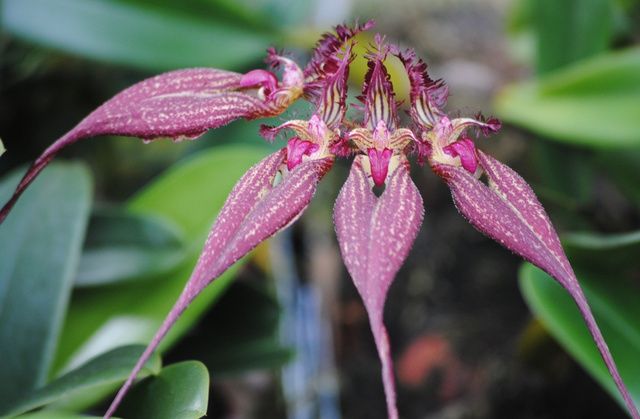

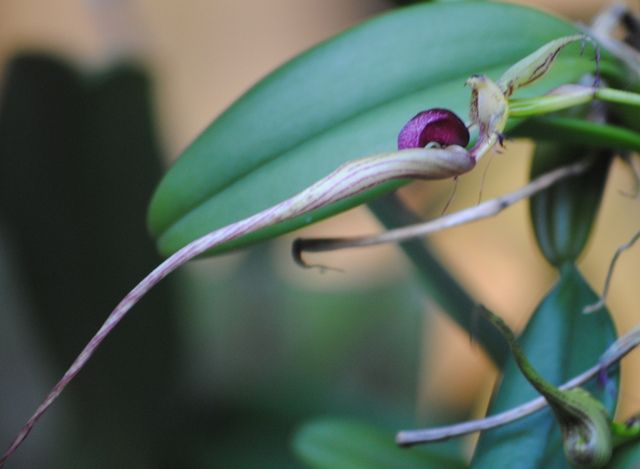
Bulbophyllum cupreum.  Acquired maybe 2 years ago as a small division from a most generous lady in Ohio.  Growing in a shallow clear plastic pot in Turface.  This is the first blooming, and it has a second spike in bloom right now. A couple pictures, and if you look carefully at the first one, you can see one of the little bugs have pollinia on it.  Second picture is the result  :) Growing conditions are as described above.
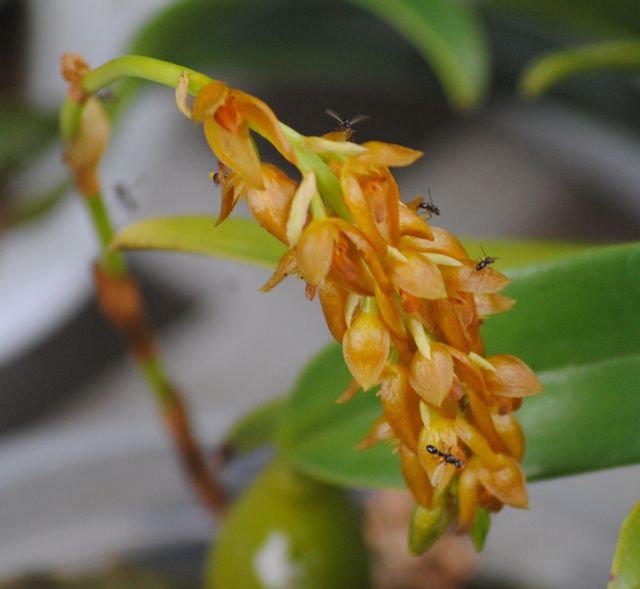


Bulbophyllum grandiflorum.  Acquired from the amazingly generous lady in Ohio, again about 2 years ago.  This is growing in the kind of basket thing I make, with LECA as the media, topped with spaghnum moss.  Gave me 5 spikes this year, but unfortunately, the first 4 were when the plant was still outside, and something ate them.  Just drilled directly into the bud.  This last spike developed much later inside and was allowed to bloom out.  Guess the plant felt sorry for me, and decided to give me at least one bloom.  Growing conditions same as described above.
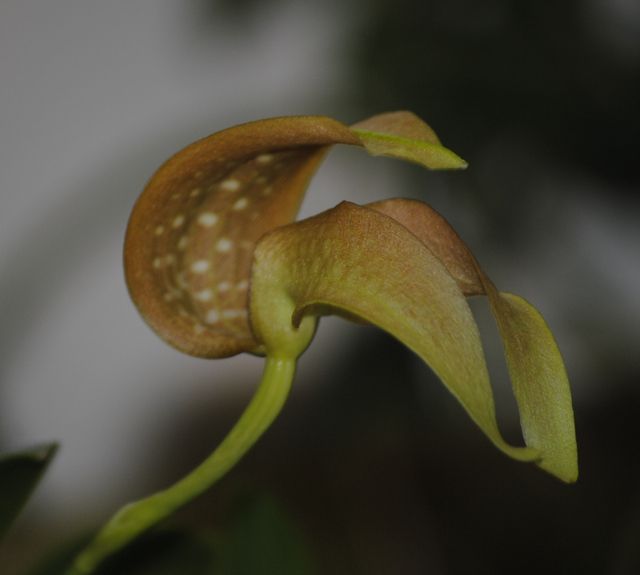

Bulbophyllum fascinator.  Acquired two years ago from Krull-Smith.  This one sulked for me awhile, but is growing nicely now.  In the Chinese take out tray converted pot, with Turface as the growing media, it is due to be repotted soon.  Hope it doesn't sulk again.  Sorry for the dark picture, I do have other ones, but they are on my flickr account, which I can't seem to link to from here for some reason.  Grown under cultural conditions described above, and I had a total of 4 flowers this growing season.
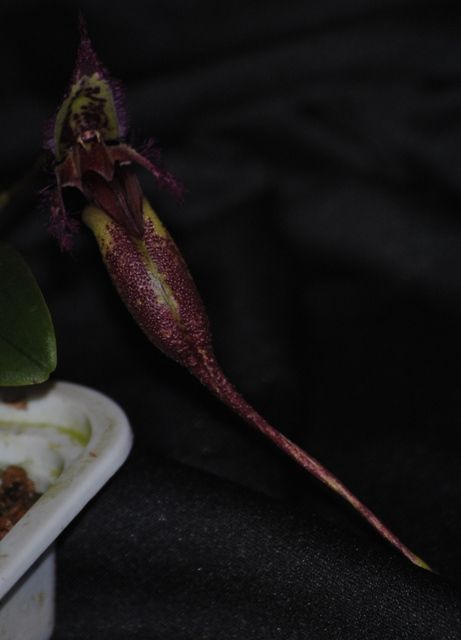

Bulbophyllum putidum.  This one is actually mounted, because I received it that way, again from that wonderful lady in Ohio.  It gets watered a lot while it is outside in the summer, in the winter, under the LEDs, it is sitting in a tray of water, that I refill after it dries out.  These pictures were taken a month or maybe two ago, and it is still putting out spike after spike for me.  It is in bloom today as I write this.
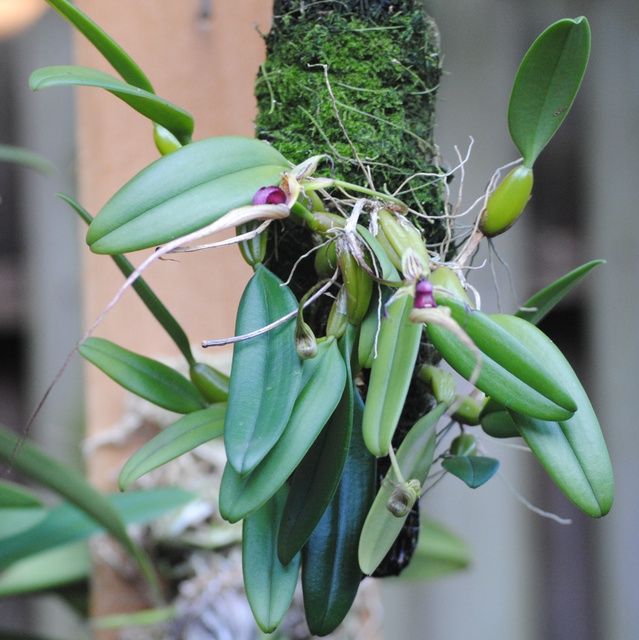


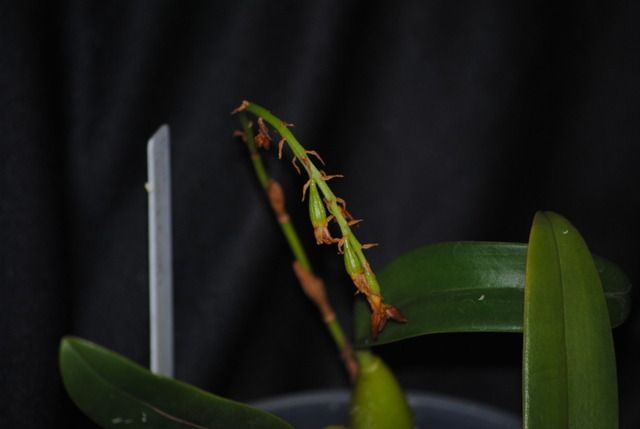
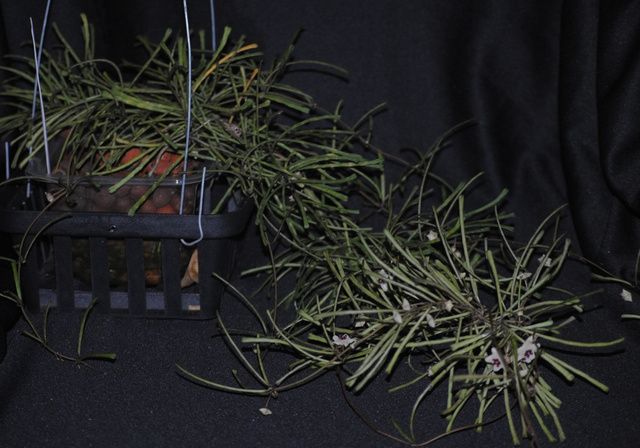
This plant I received about a year ago from TOF, labeled as Bulbophyllum sp. Sumatra.  It was a huge plant when I received it, and I split it and have it growing two ways.  One is mounted, and that one hasn't bloomed, and one is potted in the almost basket thing that I make, with lava rock, covered with spaghnum rock.  Two spikes this past fall. This plant is a long rambler, and is difficult to contain in any type of pot. Cultural conditions are as described above.
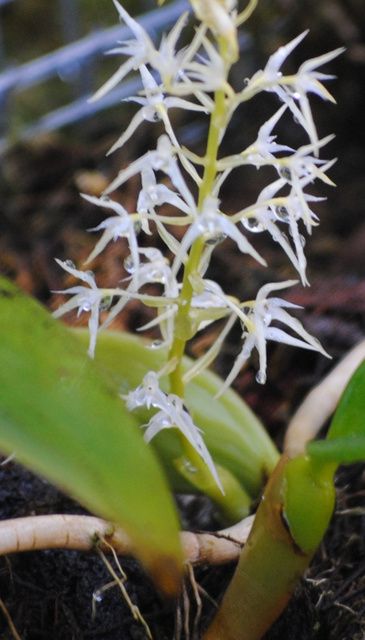

ok, think this thread is long enough, I'm going to stop it now, and I'll follow up with a Bulbophyllym species Part II soon.  Hope you enjoyed!


Tuesday, October 16, 2012

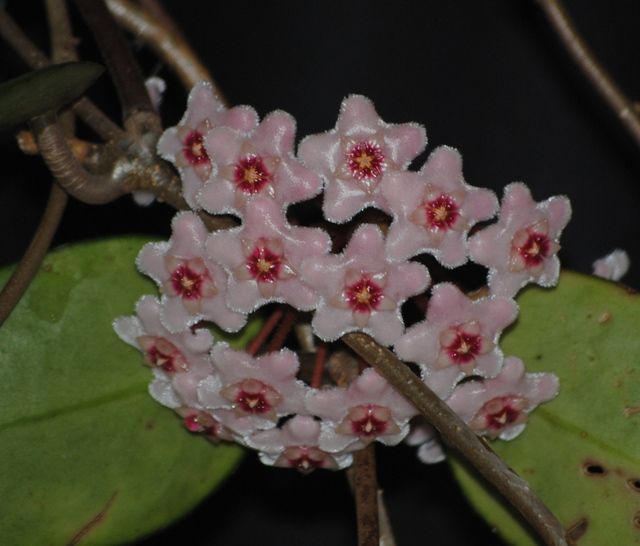
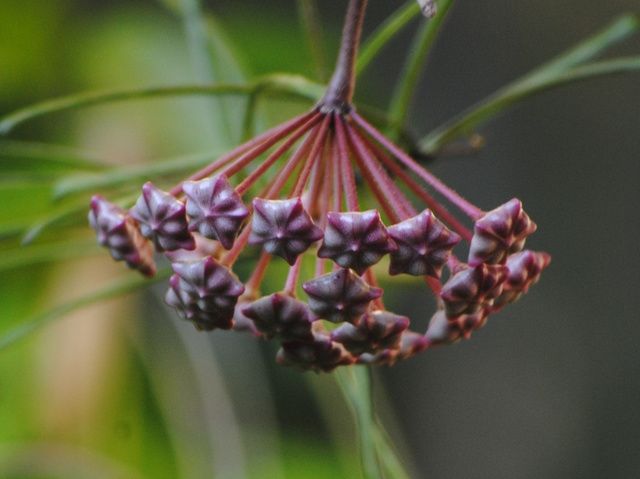
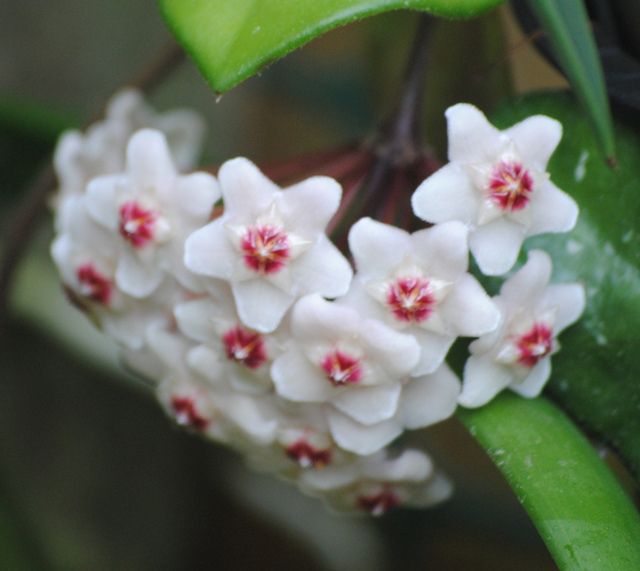
Hoya retusa

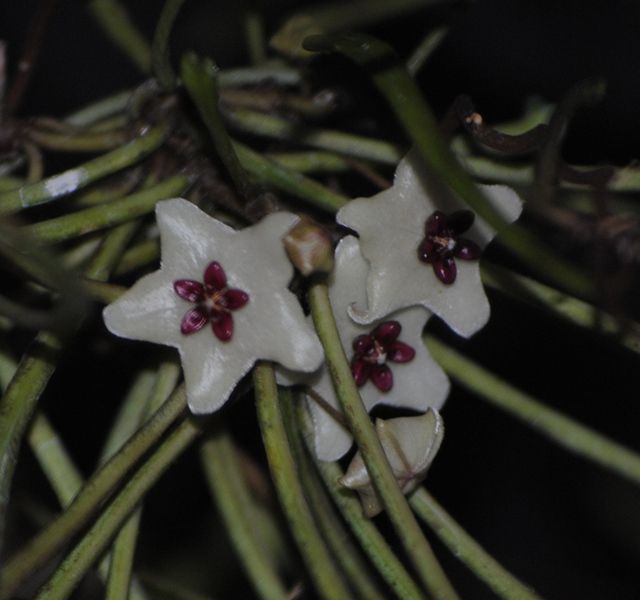
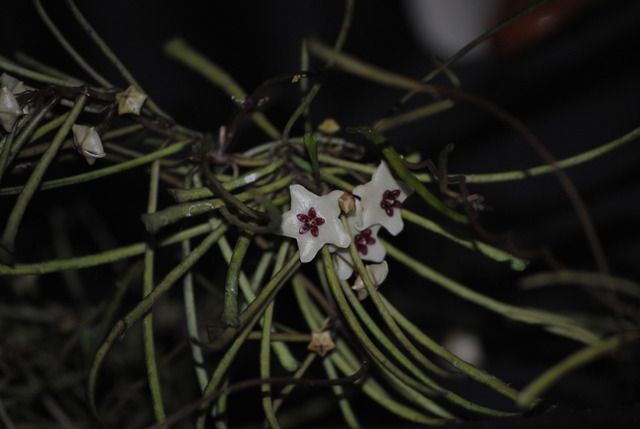
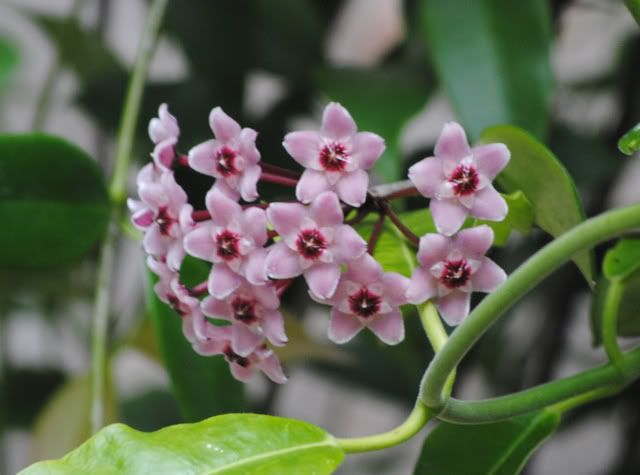
I received a small cutting of Hoya retusa about a year and a half ago, and started it in S/H.  It rooted so well in S/H that I just decided to grow it on.  So far it has grown pretty well for me, and this week, bloomed for the first time.  I have quite a few buds, which have a wonderful sweet scent to them when they open. Last winter I did bring it inside to grow it under warm conditions, and I haven't researched to see if this is one that would do outside during the winter.  So as it is doing well, I'll probably bring it in again this winter. I do give it very bright light, during spring, summer and fall, a little less during winter as it was inside.

Unlike many other Hoyas, retusa does not bloom in an umbel.  Each penduncle gives a single bloom, but with so many at one time, it still gives a pretty nice show. It is still relatively small, as it continues to grow, I expect next year it will give an even better blooming.


Saturday, October 13, 2012

Catasetum hybrids

My three favorite alliances of orchids are Catasetums, Dendrobiums and Bulbophyllums.  I haven't written or posted many of the Catasetums, so it is time for that. I'm not going to detail how I grow them, I wrote up a pretty detailed culture description on www.orchidgeeks.com if you are interested.

Within the Catasetum alliance, I prefer the true Catasetums and Clowesias.  Current popular trends in this alliance seem to favor the Mormodes and Cycnoches - which I really am not interested in.  So my collection of these are small, and I manage to acquire only a couple a year.

While I prefer to grow species, I have kept a few hybrids over the years, and here are a few of them.


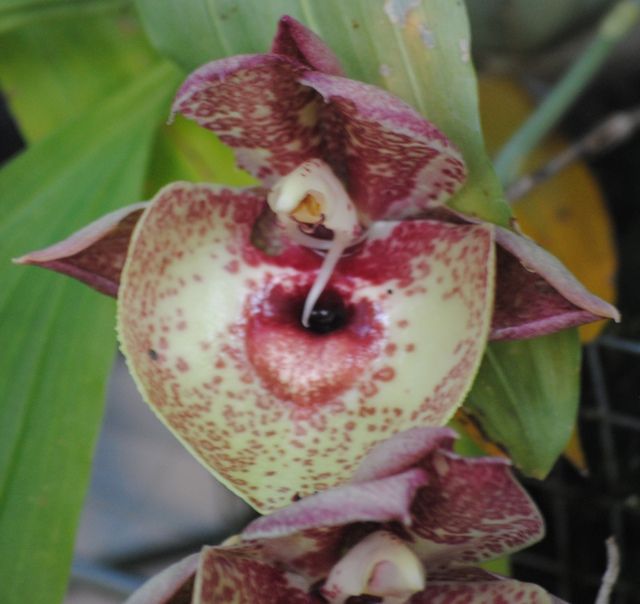
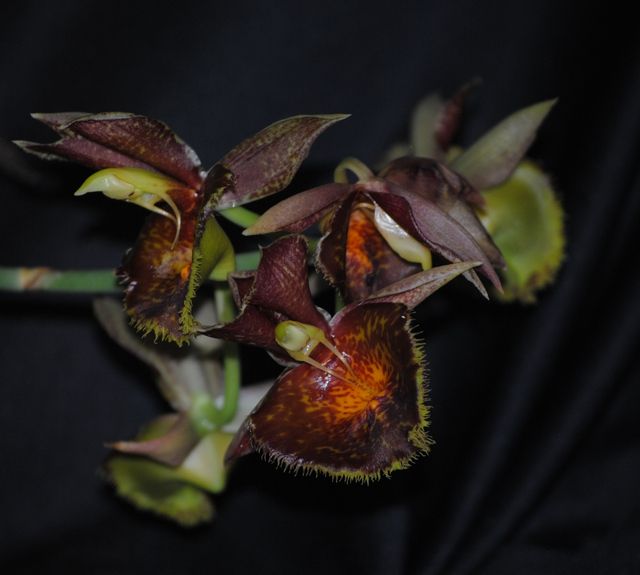
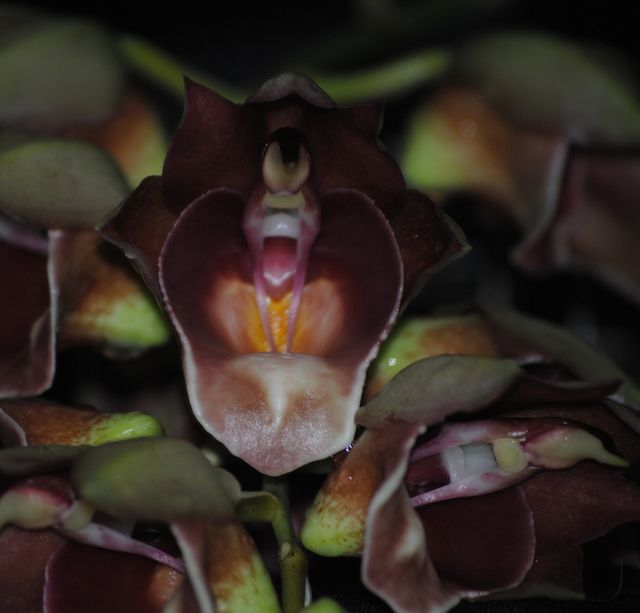
Catasetum expansum x Jumbo Heart


Ctsm (Doris' Choice x Breckenridge Onxy) x (Susan Fuchs x spitzii)


Catasetum Olga


Unfortunately the rest of my photos are on flickr, which doesn't allow me to do a link to Blogger.  So as they rebloom and I get new pics to my current photo site, I'll update this post.

Edit:  February 2013.  Another hybrid has come into bloom, and this is the plant that started my love of the Catasetum Alliance.  Clowesetum Dragon's Treasure.  Not only is it a beautiful flower, but the fragrance is perfect, strong, fresh and lemony. 


Saturday, September 8, 2012

Hoya carnosa complex

I really have no idea whether these following plants are all closely related, but they look like it, so I'll put them all here in one post.  Also, I pretty much grow all these under the same conditions, except for one - fungii.  Most of them get very bright light, allowed to dry completely between waterings, and left outside in the winter down to freezing temperatures. Fungii though is kept shaded, and more even waterings, although I do let it stay outside with the rest in winter.

Since fungii requires different culture, I'll start with it.

Hoya fungii


Hoya fungii by renee_nmp
     
Hoya carnosa - regular


Hoya dasyantha


Hoya Ban Nong Noy


And Hoya rubra


Hoya cagayanensis

I received a cutting of this plant going on three years ago.  It has grown very quickly in that time, but it never bloomed.  This summer I put it outside in a little more light.  Whether it needed that extra light, or it was just finally ready to bloom?  But I'll keep it in the extra light from now on just in case.  This is one I do bring inside in the winter, and due to its height, it doesn't get much sun during the winter.  So I keep it a little dryer during that time.  In the spring/summer/fall though while it is outside, I do try to keep it a little moist.  It is currently growing in a fine orchid bark mix, when it is due to be repotted, it will be switched over to my Turface/Perlite mix.

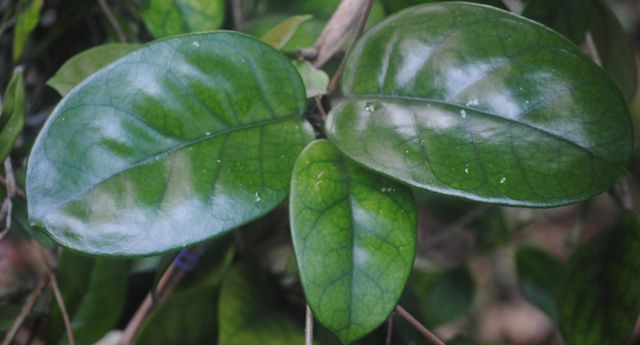
I also started a cutting in S/H and it is growing well, hasn't bloomed yet.  As for rooting cuttings, cagayanensis is one of the easiest for me.  Just stick the cut end in S/H rooting set up and within a week, it has little nubs starting.  One thing to point out is the leaves on this plant are very different.  They are shimmery, it is hard to catch that in the photos, but in person, they are very intriguing.


Saturday, August 18, 2012

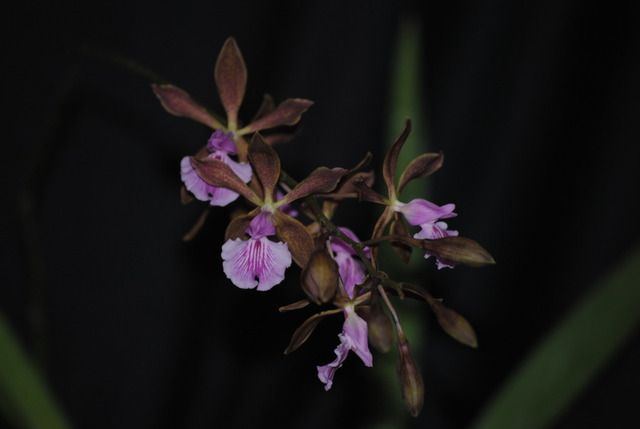
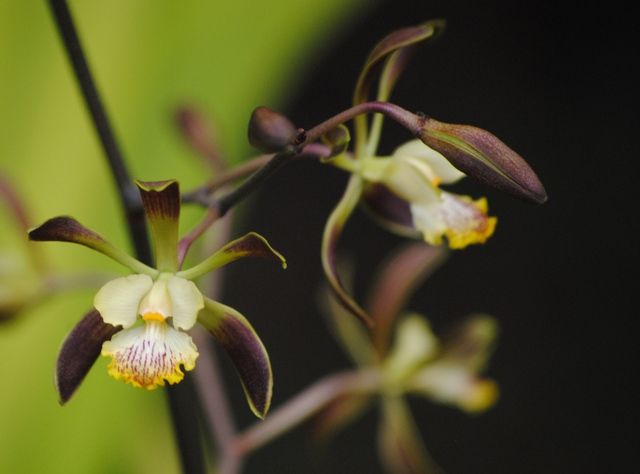
Encyclias

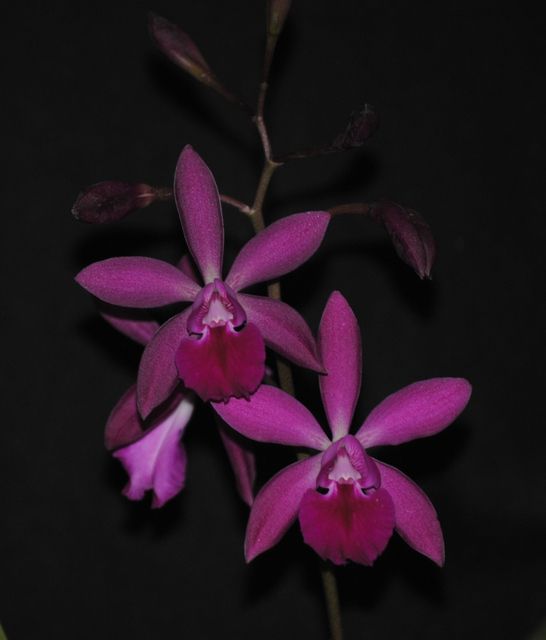
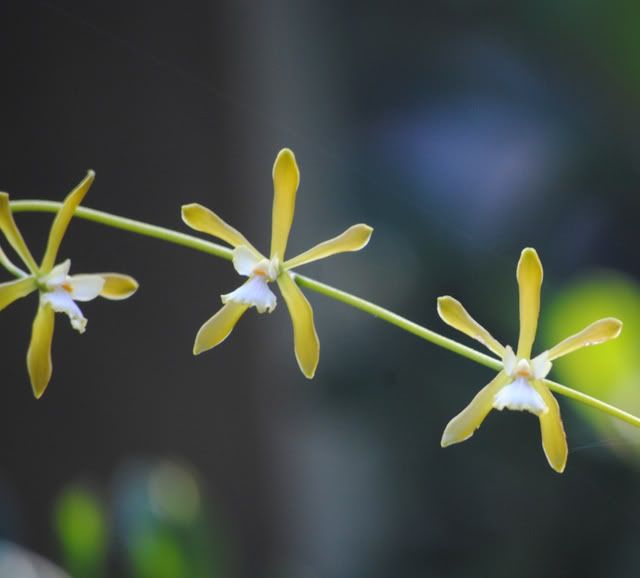
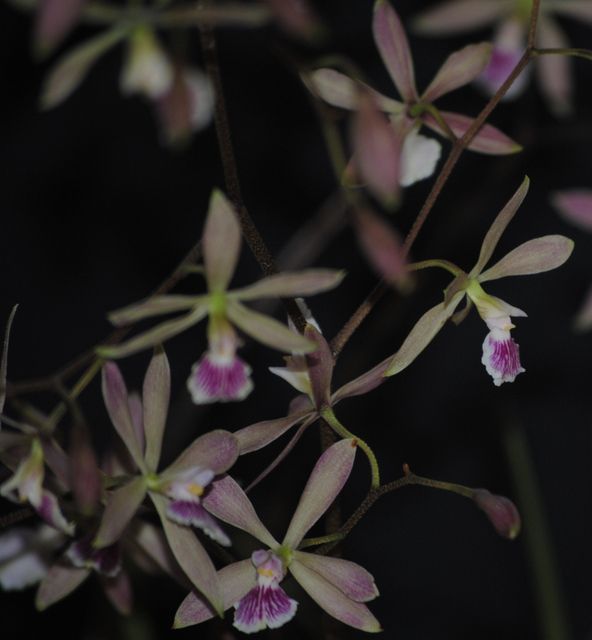
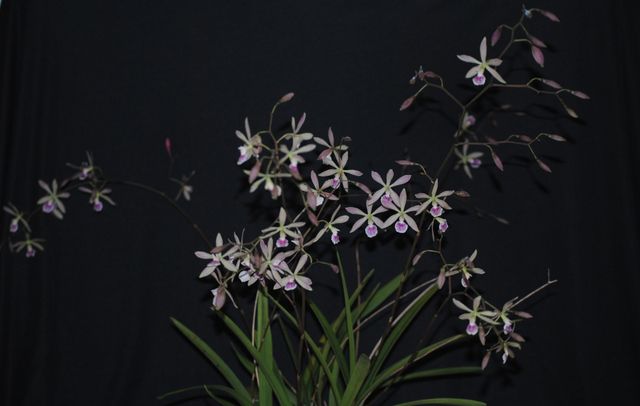
I don't grow many Encyclias, not sure why though, as I find them just wonderful orchids.  Although many of them look alike at first glance, when you take a moment and really check them out, you find charming differences between them.  And really, the fragrance so many of them have, alone is worth growing this genus. Many consider their culture requirements to be similar to Brassavolas.  Very high light levels, warm to hot conditions, dry out well in between waterings.  I have a couple Encyclias - profusa and parviflora that I have always followed this advice.  Funny these two haven't bloomed for me.  But other Encyclias that I leave outside year round, with cool to cold winters (see my below Vandaceous post for description) have bloomed.  Oh well, as I have learned, more than one way to grow an orchid.  I'm going to just place the pictures here in a row of the few I have.


Enanthleya Middleburg 'Maj'   (Cattlianthe Bactia x Encyclia phoenicea)


Encyclia alata x Encyclia tampensis


Encyclia Lee Ward (E. adenocaula x E. tampensis)


Encyclia Lee Ward (E. adenocalula x E. tampensis)

Catyclia Florida 'Pine Knot'  (C. dowiana x Encyclia cordigera)


Catyclia Florida 'Pine Knot' (C. dowiana x Encyclia cordigera)


Encyclia phoenicea


Encyclia alata


Saturday, August 11, 2012

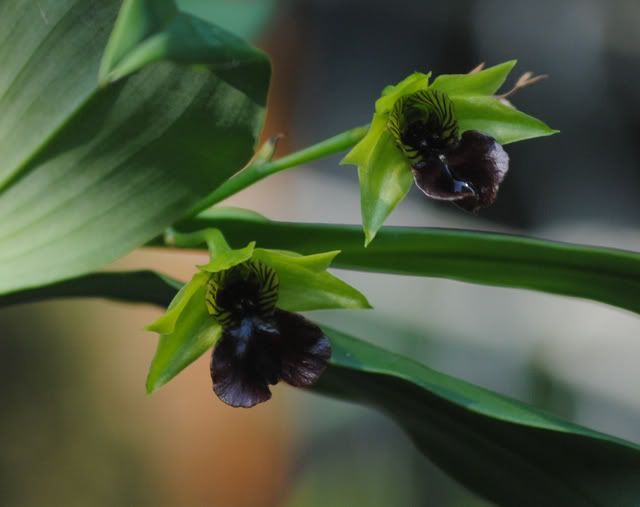
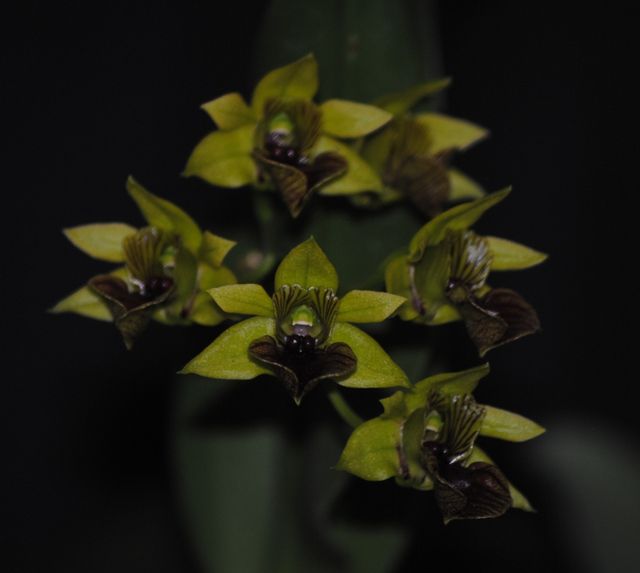
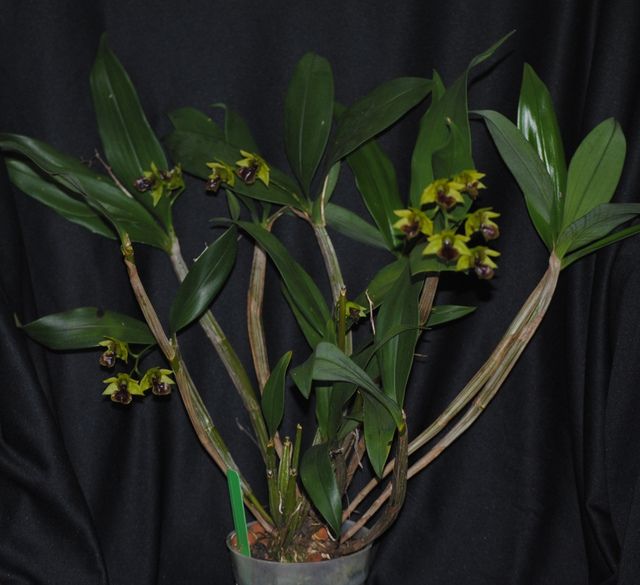
Dendrobium convolutum

D. convolutum is a Dendrobium in the Latouria section.  Many of the Latouria section Dens prefer to be grown under warm conditions, and do not like to dry out completely.  D. convolutum thrives for me under these general conditions.  Intermediate level light, slightly under typical Cattleya levels seem to give my plant the best growth and flowers.  This plant, while still small for it's species, puts out spikes for a couple months in the summer, therefore it is almost always in bloom during the warmer months.  The individual flowers last for weeks, and are very interesting. Here are a few different views of the plant.